Introduction: Building a Smarter Approach to Home Maintenance
Maintaining a home is an ongoing responsibility that goes far beyond occasional repairs or seasonal cleaning. Every system in your home—from heating and cooling to plumbing and flooring—plays a vital role in ensuring comfort, safety, and efficiency. When even one of these systems begins to fail, it can create a chain reaction that affects the entire household. That’s why taking a proactive, full-service approach to home maintenance is essential.
Rather than waiting for problems to arise, homeowners benefit most from understanding how their home functions as a whole. Preventative maintenance, timely upgrades, and informed decision-making not only reduce the likelihood of costly emergencies but also extend the lifespan of major systems. This approach allows you to stay ahead of wear and tear while maintaining consistent performance throughout the year.
This guide is designed to provide a comprehensive look at the key areas of home maintenance, offering actionable insights and practical tips to help you manage your property more effectively. Whether you’re addressing immediate concerns or planning long-term improvements, a structured and informed approach will help you create a more reliable, efficient, and comfortable living environment.
Taking a smarter approach also means recognizing patterns before they turn into problems. Small warning signs—like minor leaks, uneven temperatures, or unusual noises—often indicate larger issues developing behind the scenes. Addressing these early can prevent extensive damage and reduce repair costs. In addition, understanding seasonal demands on your home allows you to prepare systems in advance, ensuring they operate efficiently when you need them most.
Home maintenance also involves making informed choices about materials, service providers, and upgrades. Not all solutions are equal, and selecting the right options for your home’s specific needs can significantly impact long-term performance. Energy-efficient systems, durable materials, and professional installations all contribute to a more sustainable and cost-effective household.
By building consistent habits—such as routine inspections, scheduled servicing, and keeping detailed maintenance records—you create a strong foundation for long-term home performance. Over time, these small, intentional actions add up, reducing stress and giving you greater control over your living environment.
Start with a Whole-Home Maintenance Assessment
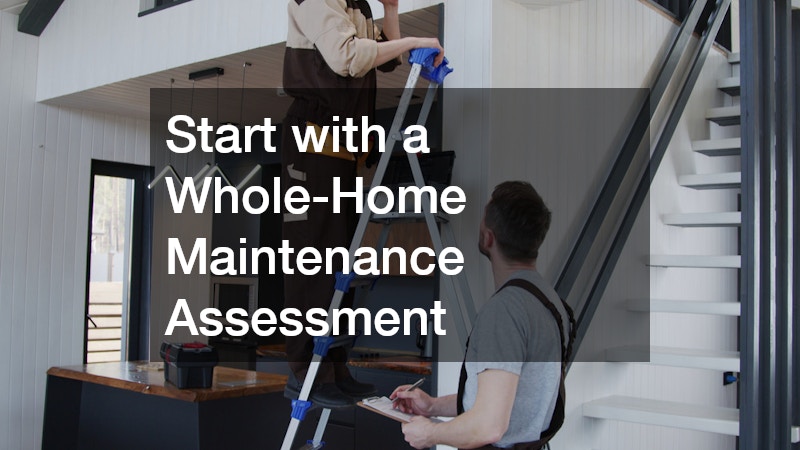
Before diving into specific repairs or upgrades, it’s important to evaluate the current condition of your home. A whole-home maintenance assessment gives you a clear picture of what’s working well, what needs attention, and what may require future investment.
Begin by inspecting major systems and structural components:
- HVAC systems for performance and efficiency
- Plumbing for leaks, pressure issues, or corrosion
- Electrical systems for safety and capacity
- Roofing, siding, and foundation for structural integrity
- Interior elements like flooring, walls, and ceilings
Look for warning signs such as unusual noises, fluctuating temperatures, increased utility bills, or visible damage. These indicators often point to underlying issues that should be addressed early.
Creating a maintenance checklist can help you stay organized and ensure nothing is overlooked. Break tasks down into monthly, seasonal, and annual responsibilities. For example:
- Monthly: Replace filters, check for leaks, test smoke detectors
- Seasonal: Inspect HVAC systems, clean gutters, check insulation
- Annual: Schedule professional inspections, review system performance
Bringing in professionals for inspections can provide valuable insights, especially for areas that are difficult to assess on your own. A comprehensive assessment sets the foundation for all future maintenance and upgrade decisions.
Improve Cooling Efficiency and Prevent Breakdowns
Cooling systems are essential for maintaining indoor comfort, especially during warmer months. However, they are also one of the most energy-intensive systems in the home. Ensuring they operate efficiently can significantly reduce energy costs while preventing unexpected breakdowns.
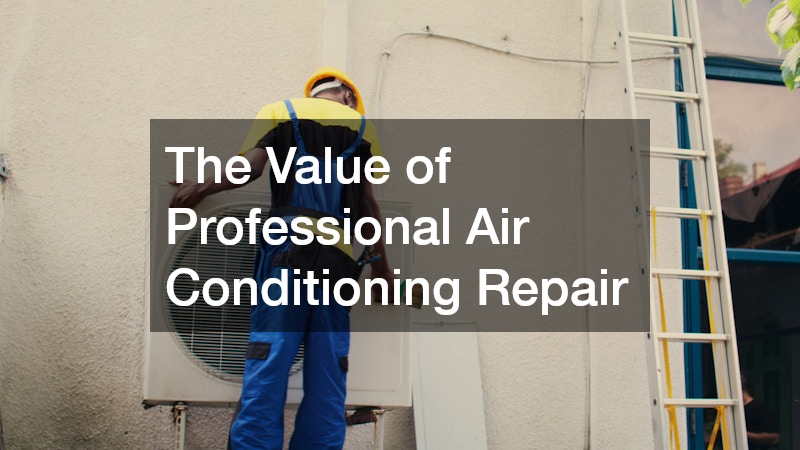
Common signs that your system may need HVAC repair include:
- Weak or inconsistent airflow
- Uneven cooling throughout the home
- Strange noises or odors during operation
- Increased energy bills without increased usage
When these issues arise, it’s important to act quickly. Delaying repairs can lead to more extensive damage and higher costs. In some cases, investing in ac installation may be the better long-term solution, especially if your current system is outdated or inefficient.
To improve cooling efficiency:
- Replace air filters regularly to maintain airflow
- Seal ductwork to prevent energy loss
- Install programmable thermostats for better temperature control
- Keep outdoor units clean and free of debris
Routine maintenance plays a critical role in system performance. Scheduling professional inspections before peak seasons ensures that your system is ready to handle increased demand. By staying proactive, you can extend the lifespan of your cooling system and maintain consistent comfort.
Ensure Reliable Heating Performance Year-Round
A reliable heating system is essential for maintaining comfort during colder months. When temperatures drop, even minor issues can quickly become major problems if not addressed promptly.
Signs that your heating system may need attention include:
- Uneven heating across rooms
- Unusual noises such as banging or rattling
- Frequent cycling on and off
- Rising energy bills
In some cases, a simple repair may resolve the issue. However, older systems often benefit from furnace replacement, especially if they are nearing the end of their lifespan. Modern systems offer improved efficiency, better temperature control, and enhanced safety features.
When considering heating installation, keep the following in mind:
- Choose the right system size for your home
- Consider energy efficiency ratings
- Evaluate long-term operating costs
- Ensure proper installation for optimal performance
Preventative maintenance is key to avoiding breakdowns. Regular inspections, cleaning, and filter replacements help keep your system running smoothly. Taking these steps ensures consistent performance and peace of mind during colder seasons.
Upgrade Electrical Systems for Safety and Efficiency
Electrical systems are the backbone of modern homes, supporting everything from lighting to appliances and technology. As demands increase, outdated systems can struggle to keep up, leading to safety risks and inefficiencies.
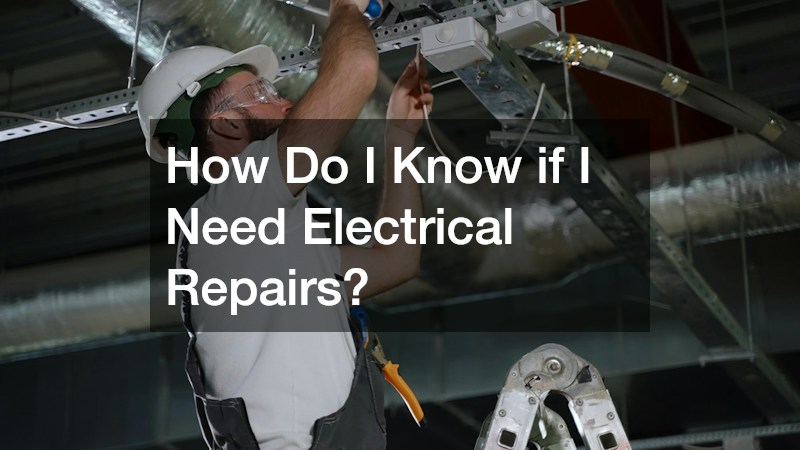
Common signs that you may need to consult electricians include:
- Flickering or dimming lights
- Frequent circuit breaker trips
- Outdated outlets or insufficient capacity
- Burning smells or unusual sounds
Upgrading your electrical system can improve both safety and functionality. Key improvements may include:
- Replacing outdated wiring
- Installing additional outlets
- Upgrading the electrical panel
- Adding surge protection
When planning upgrades, consider how your electrical system will support future needs. Smart home technology, energy-efficient appliances, and home offices all place additional demands on your system.
Working with qualified professionals ensures that all upgrades meet current safety standards and are properly integrated with other systems. This proactive approach reduces risks and enhances overall efficiency.
Maintain Hot Water Systems for Consistent Performance
Hot water is a necessity for daily living, making the performance of your water heating system critical. When issues arise, they can disrupt routines and lead to increased energy costs.
Common problems that require water heater repairs include:
- Inconsistent water temperature
- Reduced hot water supply
- Strange noises from the unit
- Leaks or corrosion
Regular maintenance can help prevent these issues. Key steps include:
- Flushing the tank to remove sediment buildup
- Checking the anode rod for corrosion
- Inspecting connections and valves
- Monitoring system performance
In some cases, upgrading to a more energy-efficient system may be beneficial. Modern water heaters offer improved efficiency and reliability, reducing both operating costs and environmental impact.
By staying proactive with maintenance and repairs, homeowners can ensure a consistent supply of hot water while extending the lifespan of their system.
Protect Your Home with Proper Drain and Pipe Care

Plumbing systems are essential for maintaining hygiene and convenience in the home. However, they are also prone to issues such as clogs, leaks, and buildup over time.
Signs that you may need drain cleaning include:
- Slow-draining sinks or tubs
- Unpleasant odors from drains
- Frequent clogs
- Gurgling noises in pipes
Professional plumbing services can address these issues effectively, using specialized tools to remove blockages and restore proper flow.
To maintain your plumbing system:
- Avoid pouring grease or debris down drains
- Use drain screens to catch particles
- Run hot water periodically to clear buildup
- Schedule regular inspections
Preventative care reduces the likelihood of major problems and ensures that your plumbing system continues to function efficiently.
Improve Water Quality for Health and Longevity
Water quality has a direct impact on both health and the longevity of household systems. Contaminants, minerals, and impurities can affect everything from drinking water to appliance performance.
A water filtration installation can provide numerous benefits, including:
- Improved taste and odor of water
- Removal of harmful contaminants
- Reduced buildup in pipes and appliances
- Enhanced overall water quality
When choosing a system, consider:
- The specific contaminants present in your water
- Whether a whole-home or point-of-use system is needed
- Maintenance and filter replacement requirements
- Long-term costs and benefits
Regular maintenance ensures that filtration systems continue to operate effectively. By investing in water quality, homeowners can protect both their health and their home’s infrastructure.
Upgrade Interior Spaces with Durable Flooring Solutions
Flooring plays a significant role in both the functionality and aesthetics of a home. Choosing the right materials and ensuring proper installation can make a lasting difference.
Working with a flooring company helps ensure that installations are done correctly and that materials are suited to your needs.
Considerations when selecting flooring include:
- Durability for high-traffic areas
- Resistance to moisture and wear
- Ease of maintenance
- Style and design preferences
Proper installation is essential for long-term performance. Preparing surfaces, using quality materials, and following best practices all contribute to a successful outcome.
Regular care, such as cleaning and maintenance, helps preserve the appearance and durability of flooring over time.
Coordinate Maintenance and Upgrades for Maximum Efficiency
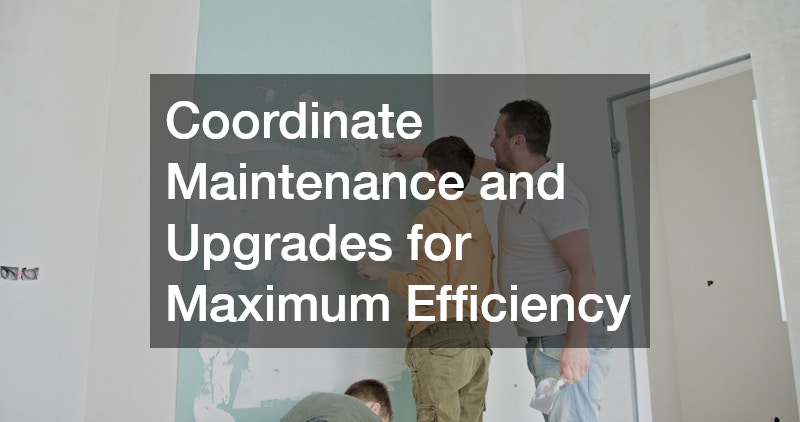
Managing multiple home projects requires careful coordination. Without proper planning, projects can overlap in ways that create delays and additional costs.
Best practices include:
- Scheduling projects in a logical sequence
- Communicating clearly with contractors
- Tracking timelines and progress
- Preparing for potential delays
Coordinating upgrades ensures that each project supports the next, reducing inefficiencies and improving overall results.
Budgeting and Planning for Ongoing Maintenance
Financial planning is essential for managing home maintenance effectively. Without a clear budget, costs can quickly become overwhelming.
Strategies for budgeting include:
- Setting aside funds for routine maintenance
- Prioritizing essential repairs
- Obtaining multiple quotes
- Planning projects in phases
A well-structured budget allows homeowners to maintain their property without unnecessary financial strain.
Increase Home Value Through Strategic Maintenance
Strategic maintenance and upgrades can significantly enhance property value. Buyers are often attracted to homes that are well-maintained and feature modern systems.
High-impact improvements include:
- Energy-efficient upgrades
- Updated systems and appliances
- Improved aesthetics and functionality
By focusing on improvements that offer both immediate benefits and long-term value, homeowners can maximize their investment.
Build a Long-Term Maintenance Routine That Works
Consistency is key to maintaining a home’s performance and value. Establishing a long-term maintenance routine helps prevent issues and ensures that systems remain in good condition.
A strong routine includes:
- Regular inspections and checklists
- Scheduling professional maintenance
- Monitoring system performance
- Addressing issues promptly
By staying proactive, homeowners can avoid costly repairs and maintain a comfortable living environment.
Conclusion: Creating a Reliable, Efficient, and Comfortable Home
Maintaining a home requires more than occasional attention—it demands a consistent, informed approach that considers how each system contributes to overall performance. By taking the time to understand your home’s needs and planning upgrades strategically, you can prevent disruptions and improve efficiency across the board.
From heating and cooling systems to plumbing, electrical, and interior finishes, every component plays a role in shaping your daily experience. When these elements are properly maintained and upgraded as needed, they work together to create a more reliable and comfortable living environment.
Ultimately, the goal of home maintenance is not just to fix problems, but to build a system of care that supports long-term performance. With the right mindset and a commitment to proactive maintenance, homeowners can protect their investment, enhance their quality of life, and ensure their home remains a safe and efficient space for years to come.
Consistency is what separates reactive homeowners from those who truly maximize the value and functionality of their property. Establishing a routine that includes regular inspections, timely repairs, and thoughtful upgrades helps prevent minor issues from escalating into major concerns. It also allows homeowners to budget more effectively, spreading costs over time rather than facing unexpected financial strain.
Another important aspect is adaptability. Homes evolve over time due to changing needs, technologies, and environmental conditions. Staying flexible and open to improvements—such as energy-efficient upgrades or modern system replacements—ensures that your home continues to meet current standards while remaining comfortable and cost-effective.
In the long run, a proactive maintenance strategy provides peace of mind. Knowing that your home’s systems are functioning properly reduces uncertainty and allows you to focus on enjoying your space. By investing time and effort into consistent care, you create a home that not only performs well but also supports your lifestyle in a meaningful and lasting way.