
When homeowners dream of boosting their property’s market value, their minds almost instantly leap to full-scale demolition. We have all been conditioned by home transformation television shows to believe that increasing equity requires tearing down walls, ripping out custom cabinetry, and spending tens of thousands of dollars on high-end marble countertops and commercial-grade appliances. However, the reality of real estate appraisal and investment return paints a very different picture. Full-gut kitchen remodels carry exorbitant upfront costs, prolonged construction timelines, and an alarming rate of diminishing returns. When smart interior hacks are backed by robust exterior protection and well-maintained utility systems, you protect your equity and enjoy a return on investment that comfortably exceeds 100%.
1. Cosmetic Kitchen Hacks: Cabinet Refinishing & Hardware Upgrades

Transform Existing Cabinetry with Professional Spray Painting
Replacing solid wood kitchen cabinet boxes is often the single most expensive line item in a traditional remodel, accounting for up to forty percent of a total renovation budget. Yet, in the vast majority of homes, the structural frames of these cabinets are perfectly sound. Instead of tearing them out and sending quality lumber to a landfill, you can completely redefine your kitchen’s aesthetic through a meticulous refinishing process. Transforming dark, dated oak or yellowed thermal-foil cabinets with smooth, modern paint finishes instantly elevates the entire room.
A durable, factory-grade finish depends heavily on proper surface preparation rather than hasty application:
- Deep Cleaning & Degreasing: Kitchen cabinets accumulate layers of airborne cooking oils, grease, and finger oils over time. Thoroughly scrub every surface with trisodium phosphate or a heavy-duty degreaser before sanding to ensure proper paint adhesion.
- Surface Abrasion & Priming: Lightly sand all doors, drawer fronts, and face frames to scuff the existing clear coat. Apply a shellac-based or high-adhesion oil-based primer to block wood tannins and prevent knot bleed-through.
Completing this transformation requires updating cabinet hardware. Replacing outdated brass knobs or decorative hinges with sleek matte black, brushed nickel, or warm brass pulls creates an immediate luxury feel. Adding soft-close hinge dampers and full-extension drawer slides modernizes the daily tactile experience for a tiny financial layout.
Prevent Costly Interior Water and Climate Disruption
While focusing on surface aesthetics, it is crucial to protect your newly refinished cabinetry from sudden plumbing accidents or humidity fluctuations. Before re-installing sink bases and drawer slides, perform a rigorous inspection of the plumbing supply valves and drain connections hidden within your base cabinets. Pinhole corrosion along flexible supply lines or slow leaks around shut-off valves can rot brand-new wood panels from the inside out. Hiring a licensed plumber to install quarter-turn ball valves, braided stainless steel water lines, and a high-efficiency disposal unit ensures your kitchen remains completely dry and structurally sound for years to come.
Environmental control is equally vital while curing cabinet finishes and maintaining indoor air quality. High humidity and extreme temperature swings can cause fresh paint to blister, sag, or take weeks to fully harden. If your cooling system struggles to manage humidity or maintain stable temperatures during warm renovation months, scheduling a prompt ac repair ensures your home maintains optimal air filtration and climate stability. Consistent climate control allows fresh paint films and topcoats to cure to maximum hardness while keeping your living space comfortable throughout the DIY process.
2. Surface Magic: Backsplash Refreshes & Countertop Coatings
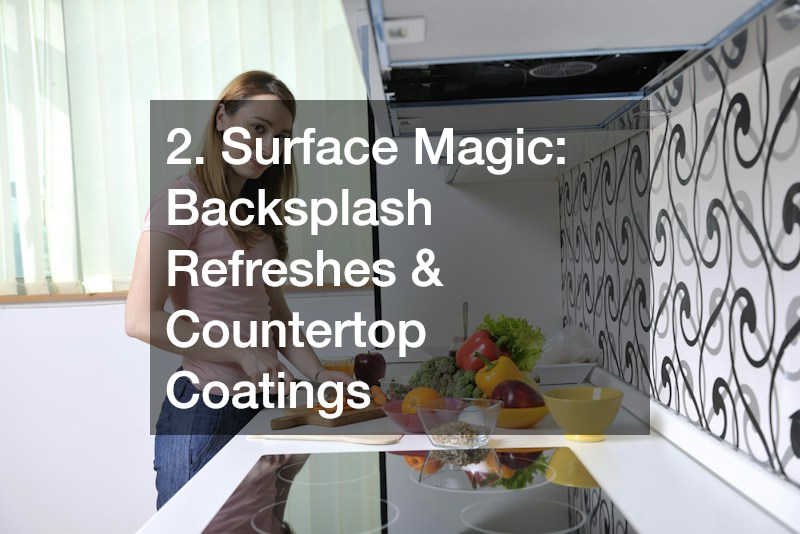
Install High-Impact Backsplash and Surface Finishes
Once your cabinetry sports a fresh, modern coat of paint, the surrounding wall surfaces and countertops immediately take center stage. An outdated, damaged, or plain drywall backsplash drags down the entire visual appeal of the space. Installing a modern tile backsplash is one of the most cost-effective DIY projects available, providing a dramatic focal point that bridges the gap between your cabinets and countertops.
You can select from several accessible, high-ROI surface options to elevate your walls:
- Classic Subway Tile: Inexpensive, timeless, and clean, white or light gray ceramic subway tile offers a bright background that reflects light and makes small kitchens feel significantly larger.
- Mosaic & Herringbone Patterns: Utilizing sheet-mounted glass, marble, or ceramic mosaics speeds up installation while creating intricate geometrical interest behind cooktops and sinks.
When it comes to countertops, full slab replacement with natural granite or engineered quartz can easily consume thousands of dollars. If your existing laminate or solid-surface counters are structurally sound, consider high-performance refinishing kits. Modern multi-step epoxy coatings, mineral-infused paint kits, or quartz overlay systems can convincingly replicate the look of marble or soapstone at a fraction of the cost, delivering a pristine, non-porous surface that holds up beautifully to daily use.
Protect Kitchen Plumbing Infrastructure Below the Surface
A gorgeous surface transformation loses its appeal instantly if household drains back up or emit foul odors. Kitchen sinks bear the heavy burden of daily food prep, grease accumulation, and soap residue, making them ground zero for stubborn organic clogs. Before sealing your new backsplash or installing a premium faucet, invest in professional drain cleaning to scrub organic build-up from your drain pipes, clearing grease traps and main branch lines to keep wastewater moving freely.
Taking a proactive approach to plumbing extends far beyond the kitchen footprint. Main sewer lines buried beneath your lawn or driveway can deteriorate over time due to tree root intrusion, pipe sagging, or cracking. Left unaddressed, a main line backup can flood lower levels, ruin flooring, and cause catastrophic property damage that decimates your home’s resale equity. Scheduling digital video camera inspections and performing necessary sewer line repairs early safeguards your home’s foundational infrastructure, reassuring prospective buyers that the home is mechanically flawless from the rooftop down to the street connection.
3. Lighting & Fixture Upgrades That Command Premium Appraisals
Swap Outdated Fixtures for Modern Designer Accents
Lighting is the unsung hero of interior design. A poorly lit kitchen feels small, dingy, and outdated, no matter how clean the surfaces may be. Replacing contractor-grade flush-mount ceiling lights with strategic, multi-layered fixture arrangements instantly shifts the ambiance of the space from basic to custom.
Focus your fixture updates on three key areas to maximize visual impact:
- Over-Island Focal Lighting: Hang matching pendant lights over a central island or breakfast bar to create eye-level design statements in warm brass, matte black, or woven textures.
- Ambient Recessed Fixtures: Swap outdated incandescent can lights for ultra-thin, energy-efficient LED wafer lights with selectable color temperatures (aim for 3000K to 3500K for warm, natural illumination).
- High-Function Faucets: Replace leaky, low-slung chrome faucets with commercial-style pull-down sprayers featuring touchless sensors, high-arc spouts, and durable physical vapor deposition (PVD) finishes.
In addition to lighting and plumbing fixtures, pay close attention to small electrical details. Yellowed plastic switch plates, loose outlets, and dated toggle switches scream neglect to prospective buyers. Swapping old electrical faceplates for clean, screwless white plates—and adding built-in USB or USB-C charging outlets near food prep stations—provides a sleek, contemporary touch that underscores a well-maintained home.
Enhance Entryway Aesthetics and Neighborhood Appeal
Interior design consistency plays a massive role in how buyers perceive a home’s total value. As you update your kitchen’s hardware, lighting, and color palette, ensure those design choices flow naturally into adjoining living spaces and entryways. Upgrading worn, hollow-core interior doors or outdated front entryways with modern residential doors establishes an immediate standard of quality the moment someone approaches your front porch or steps into the foyer. High-quality paneling, insulated cores, and updated locksets enhance security, reduce sound transmission, and boost thermal efficiency throughout the entire main level.
As you complete cosmetic improvements and utility upgrades across your property, leveraging local word-of-mouth and community networking can yield great recommendations for specialized trades. Look for a trusted local sign posted outside neighboring homes where professional work is underway. Quality contractors who take pride in their craft proudly advertise their active job sites, making it easy for homeowners to identify vetted local trade professionals for specialized electrical, plumbing, or carpentry assistance.
4. Exterior Safeguards: Protecting Interior Renovations From Roof Leaks
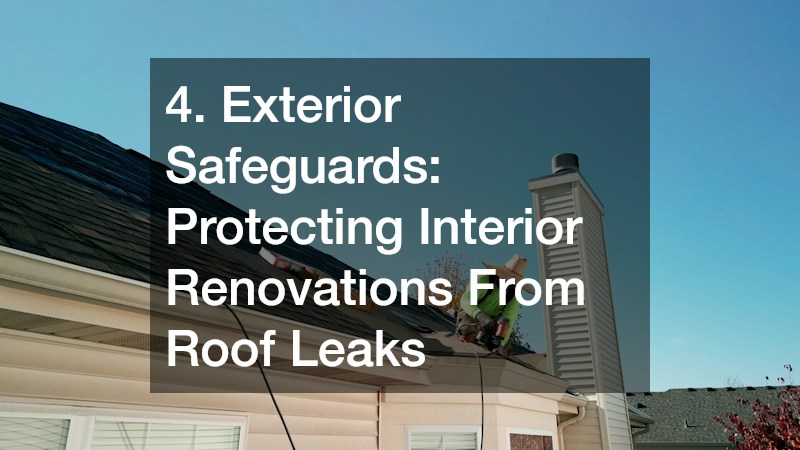
Shield Kitchen Drywall and Ceiling Investments From Water Damage
There is no faster way to ruin a freshly renovated kitchen than water pouring through the ceiling during a heavy rainstorm. A single undetected roof leak can destroy new drywall, warp freshly painted custom cabinetry, ruin hardwood flooring, and breed toxic mold within wall cavities. While interior upgrades generate excitement, your home’s overhead structure serves as the primary shield protecting your equity investment.
Common overhead vulnerabilities that jeopardize interior renovations include:
- Failing Pipe Boots & Flashing: The rubber seals surrounding plumbing vent stacks dry rot over time, allowing rainwater to trickle directly down interior wall studs toward your kitchen.
- Damaged Valley Seals: Roof valleys handle immense volumes of concentrated runoff; worn underlayment in these channels quickly leads to major interior ceiling saturation.
Performing seasonal attic inspections is essential for catching leaks early. Step into your attic space during a heavy rainstorm with a flashlight to look for wet insulation, dark water staining on plywood roof decking, or active dripping around ceiling joists long before water marks appear on your kitchen ceiling.
Hire Trusted Pros for Targeted Overhead Upgrades
While minor home improvements make excellent weekend DIY projects, steep pitches, high eaves, and dangerous overhead work require specialized professional expertise. Attempting high-risk structural repairs without proper harness systems, safety staging, and industry experience poses severe personal safety hazards. Partnering with an experienced local roofer ensures that your home’s exterior defense system is thoroughly inspected and properly maintained using commercial-grade materials.
A qualified professional can conduct a comprehensive multi-point inspection of your roof deck, drip edges, and ventilation systems. Executing targeted, budget-friendly roof repairs—such as resealing flashing joints, replacing compromised pipe boots, and securing loose ridge caps—resolves small vulnerabilities before they turn into multi-thousand-dollar interior disasters. Keeping your roof deck watertight ensures that your hard work inside the kitchen remains fully protected for decades.
5. Comprehensive Curb Appeal & Exterior Protection
Mitigate High-Impact Weather Damage to Preserve Property Value
Extreme weather events pose an ongoing threat to residential real estate values. Severe thunderstorms, hail, falling tree limbs, and winter ice dams can inflict severe structural trauma across an asphalt or tile roof in a matter of minutes. Hail impacts bruise the internal fiberglass matting of shingles, causing protective granules to shed rapidly and exposing underlying asphalt to solar UV degradation. Wind gusts can lift shingle tabs, breaking thermal factory seals and creating hidden pathways for wind-driven rain to enter your home.
When severe weather strikes your neighborhood, visual surface assessments are not enough:
- Ground-Level Perimeter Sweep: Inspect your lawn, patio, and driveway for shed shingle granules, broken tab corners, or damaged aluminum gutter sections.
- Check Downspouts: Large accumulations of mineral granules inside downspout splash blocks indicate advanced shingle deterioration across roof slopes.
- Inspect Collateral Surfaces: Look for dented metal mailbox covers, bruised vinyl siding, or damaged window screens, which serve as clear indicators of severe hail impact.
When storm damage compromises significant portions of your roof system, working with a licensed contractor to execute a complete storm damage roof replacement restores total structural integrity to your property. Replacing an aging, storm-damaged roof dramatically elevates curb appeal, lowers home insurance premiums, and gives prospective buyers complete confidence that the home’s interior finishes are shielded by a brand-new, warrantied exterior system.
Prevent Foundation and Eaves Water Overflow
A robust roof system is only as effective as the drainage network attached to its eaves. During torrential downpours, an average residential roof sheds thousands of gallons of runoff. If your gutter system is clogged with autumn leaves, pine needles, and roof grit, water spills directly over the fascia boards, pooling around your home’s foundation walls and backing up under the lower shingle edges.
Overflown water saturates the soil surrounding your foundation, leading to basement dampness, cracked concrete footings, and elevated indoor humidity levels that stress interior air quality. Furthermore, standing water trapped along eaves rots wood fascia boards and ruins soffit vents. Hiring professional gutter guard installers to fit high-flow, micro-mesh gutter covers completely eliminates seasonal debris accumulation. Quality gutter guards allow rainwater to pass freely into downspouts while shedding leaves and twigs, ensuring your drainage system operates continuously without requiring dangerous ladder climbs every autumn.
Maximizing your home’s equity does not require tearing down walls or draining your life savings on a full-scale kitchen teardown. By shifting your focus away from high-cost demolition and toward intelligent, surface-level micro-renovations, you can achieve a stunning visual transformation while securing an exceptional return on investment. Refinishing existing cabinetry, applying modern backsplashes, updating lighting fixtures, and installing high-function hardware deliver the exact high-end aesthetic buyers fall in love with—all at a fraction of the cost of a full remodel.
Equally important is backing those cosmetic interior wins with unyielding maintenance across your home’s mechanical and exterior systems. Protecting your interior investment with sound plumbing infrastructure, reliable climate control, and a watertight, well-drained roof ensures that your hard-earned equity remains secure for years to come. Take a strategic look at your home this week, pick one high-impact cosmetic update to tackle, and start building real equity without gutting your budget!